



NMNFueled by BioNMN®
NMN
Free Domestic Shipping on Orders Over $150
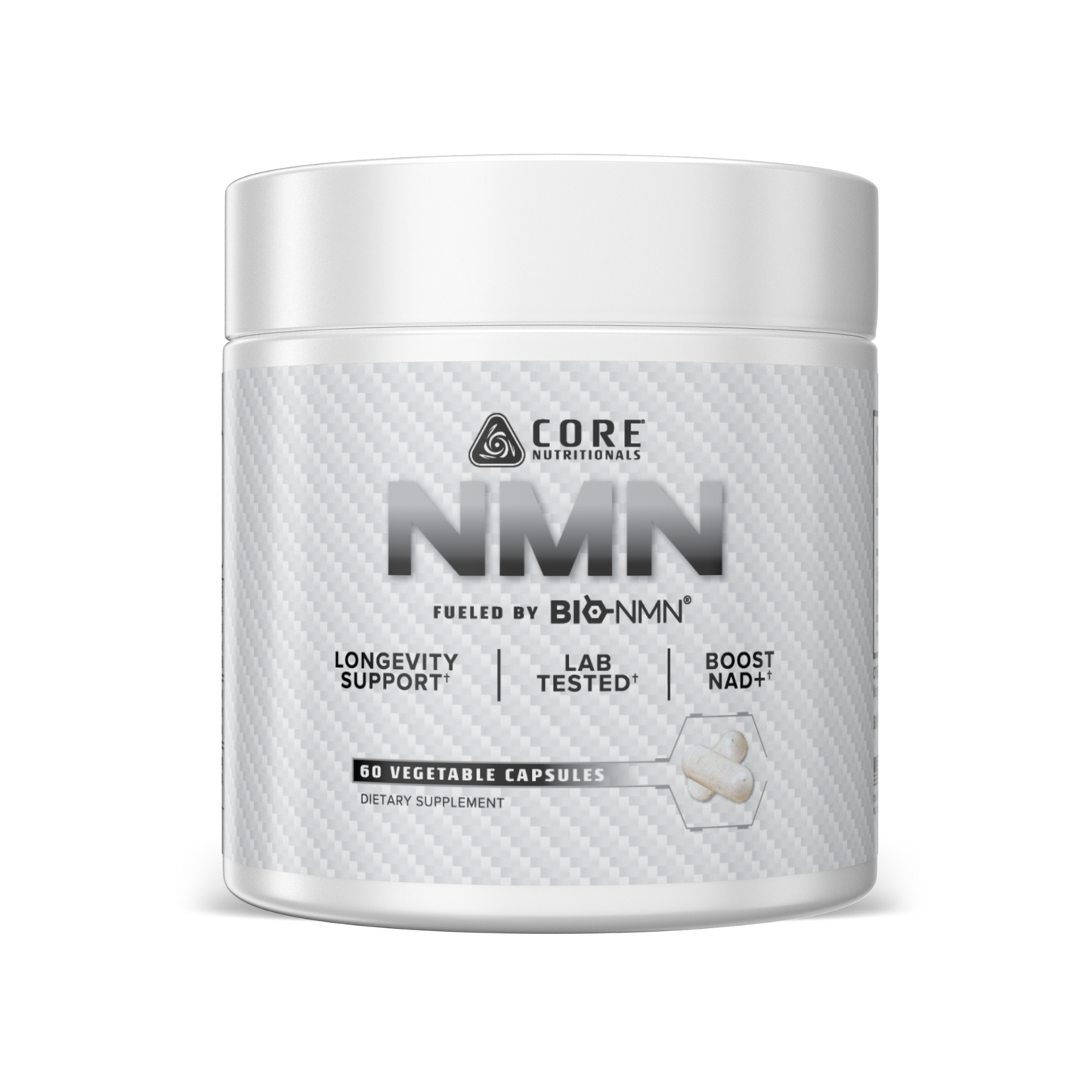

Beta-Nicotinamide Mononucleotide
-
BioNMN® (Beta-Nicotinamide Mononucleotide)
Nicotinamide Mononucleotide (NMN) is a ribo-nucleotide, which is a simple structural unit of RNA. NMN is the direct precursor of nicotinamide adenine dinucleotide (NAD+) and is considered a vital component to cellular increases in NAD+ levels. NAD+ is an essential coenzyme required to produce ATP (adenosine triphosphate), the fuel used by almost all cells in the body. As we age, NAD+ levels naturally decline, which can lead to less-than-optimal functioning and contribute to conditions such as obesity, insulin resistance, and impaired cognitive function.
While humans cannot absorb NAD directly, using NAD+ precursors like NMN can help maintain NAD+ levels. BioNMN® emphasizes enhanced bioavailability so the full benefits of this ingredient can be achieved.
NMN supplementation offers a wide range of benefits that influence nearly all body systems, including brain and cardiovascular support, reduced age-related inflammation, neuroprotection, hormonal balance, improved mitochondrial function, enhanced muscle endurance and strength, and overall longevity. These benefits rely on NAD+ as a key coenzyme that drives these biological processes.
In terms of muscle performance, skeletal muscles require significant amounts of energy molecules to maintain strength and function. NAD+ is required to metabolize these molecules, meaning muscles benefit from a steady supply of NMN as a building block.
Mitochondria, known as the powerhouse of the cell, are essential for converting nutrients into usable energy. NAD+ plays a central role in this metabolic process. Without sufficient NAD+, mitochondria cannot function properly, leading to reduced energy production and potential cellular damage. Research suggests that NMN supplementation supports NAD+ production, helping protect mitochondria and maintain proper metabolic function.
NMN also plays a role in longevity. As many bodily functions decline with age, maintaining NAD+ levels may help slow aspects of the aging process. Supporting NAD+ levels may help sustain optimal function across body systems over time, while low levels are linked to increased risk of dysfunction and disease.
REFERENCES
Nomiyama T, Setoyama D, Yasukawa T, Kang D. Mitochondria Metabolomics Reveals a Role of β-Nicotinamide Mononucleotide Metabolism in Mitochondrial DNA Replication. J Biochem. 2021.
Klimova N., Long A., Kristian T. (2019). Nicotinamide mononucleotide alters mitochondrial dynamics by SIRT3-dependent mechanism in male mice.
Shade C. (2020). The Science Behind NMN—A Stable, Reliable NAD+ Activator and Anti-Aging Molecule.
Yoshino J., Baur J.A., Imai S. (2018). NAD+ Intermediates: The Biology and Therapeutic Potential of NMN and NR.
Imai S., Guarente L. (2014). NAD+ and sirtuins in aging and disease.
Canto C., Menzies K.J., Auwerx J. (2015). NAD+ Metabolism and the Control of Energy Homeostasis.
Mills K.F., et al. (2016). Long-Term Administration of NMN Mitigates Age-Associated Physiological Decline in Mice.
Gomes A.P., et al. (2013). Declining NAD+ Disrupts Cellular Communication during Aging.
Yoshino J., et al. (2021). NMN increases muscle insulin sensitivity in prediabetic women.
Verdin E. (2015). NAD+ in aging, metabolism, and neurodegeneration.
Rajman L., Chwalek K., Sinclair D.A. (2018). Therapeutic Potential of NAD-Boosting Molecules.
Liao B., et al. (2021). NMN supplementation enhances aerobic capacity in amateur runners.
Source: :contentReference[oaicite:0]{index=0}


